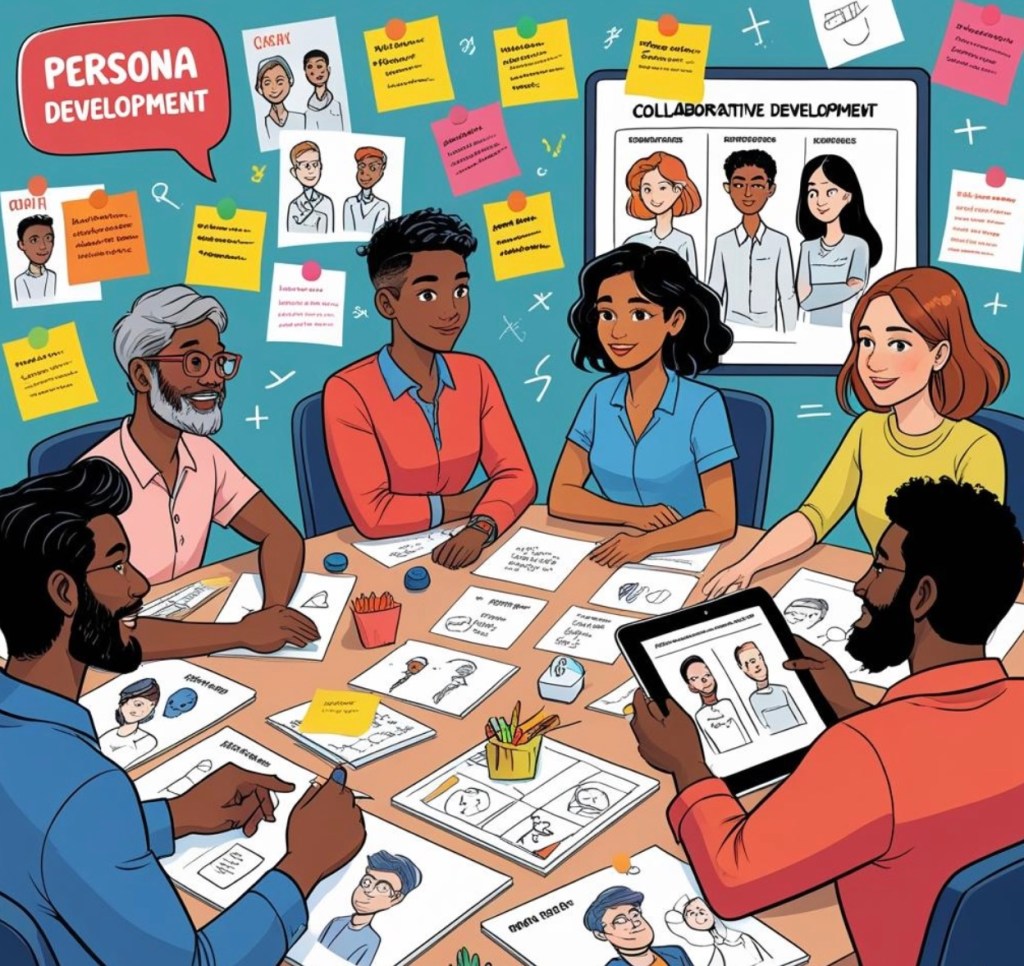
In the ever-evolving landscape of User Experience (UX) Research, staying ahead of the curve is essential. As a UX Research Manager, I have had the privilege of leading a team that constantly seeks innovative methods to enhance our research processes. One of our most significant advancements has been the integration of artificial intelligence (AI) into our persona development process. This article delves into how we utilized AI to update our personas, ultimately leading to more accurate and up-to-date representations.
The Challenge: Evolving Personas
Personas are a cornerstone of UX Research, providing a tangible representation of our users’ needs, behaviors, and goals. However, traditional methods of developing or even updating existing personas to make them more current, can be time-consuming and often rely heavily on qualitative data. As our technical user base advanced with innovation over time, we recognized the need for a more efficient and data-driven approach to ensure our personas remained relevant and accurate.
The Solution: Leveraging AI for Persona Development
To address this challenge, we turned to AI. By integrating AI into our Research process, we aimed to enhance the accuracy of our personas while reducing the time and effort required for their development. Here’s how we did it:
1. Observation collection and Analysis
In our daily work we are constantly in touch with our users. We know them well. We know that over the last few years technology has advanced, economies have changed, and their responsibilities have evolved. We even know that new personas have emerged on to our landscape. We have this documented over a series of studies, but not an official project to update our personas. Enter AI. AI algorithms excel at processing vast amounts of company data quickly and accurately. Our AI systems have a diverse range of data sources, including user surveys, behavioral analytics, social media interactions, and customer feedback.
2. Identifying Key Attributes
One of the most significant advantages of using AI is its ability to identify key attributes and characteristics that define different user segments. Through prompting we were able to define the characteristics of our target users. The AI was then able to analyze their behaviors, preferences, and demographics, providing us with a clear picture of our users. This clustering helped us move beyond surface-level characteristics and gain deeper insights into our users. The AI analyzed this data to identify patterns and trends which our researchers validated through lived work experiences and observations.
3. Creating Data-Driven Personas
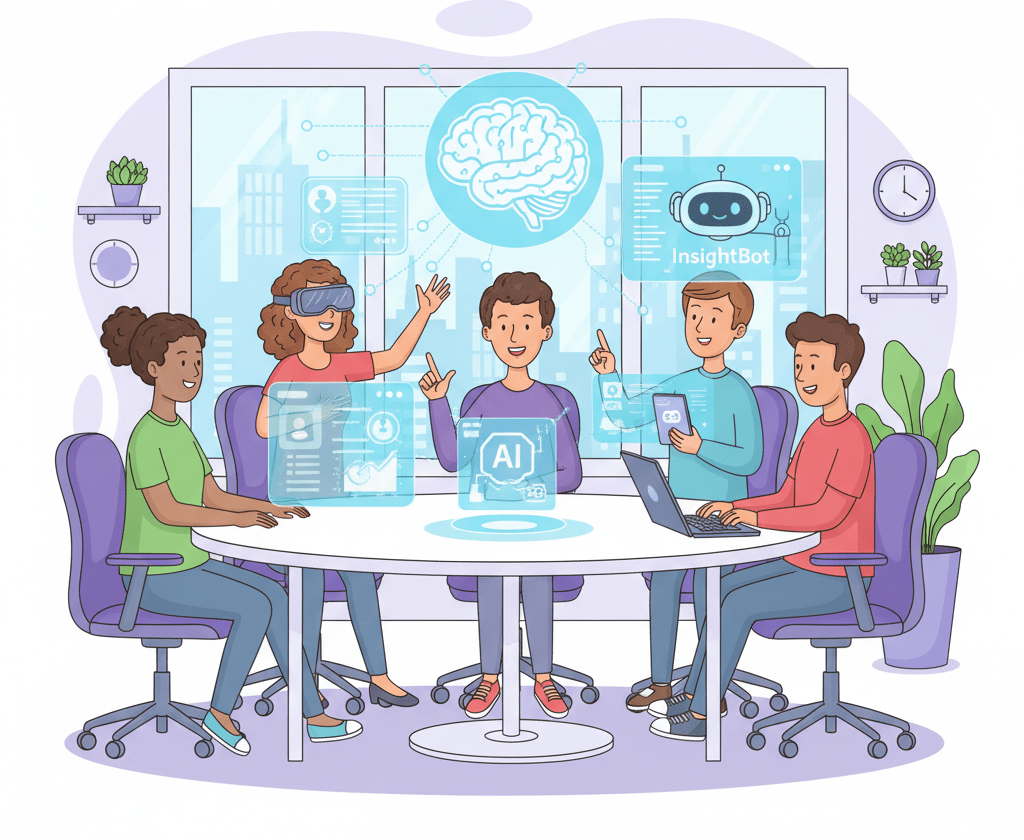
With the AI-generated clusters in hand, we collaborated with our AI system to create detailed personas. Each persona was enriched with information provided by our researchers, including user goals, pain points, Jobs To Be Done, and individualized FAQs. This approach ensured that our personas were not only accurate but also reflective of real user behaviors and needs based on UX Research knowledge.
4. Continuous Improvement
AI’s ability to learn and adapt over time is a game-changer for our persona development process. We look forward to being able to update our personas more frequently, allowing them to evolve alongside our users. This iterative process ensures that our personas remain up-to-date and relevant, even as user behaviors and preferences shift.
The Impact: Enhanced User Understanding
Integrating AI into our persona development process has had a profound impact on our UX research efforts. Here are some of the key benefits we’ve observed:
- Efficiency: The time required to develop personas has significantly decreased, allowing us to allocate more resources to other critical research activities.
- Accuracy: Data-driven personas provide a more accurate representation of our users, leading to better-informed design and product decisions.
- Adaptability: Our personas now evolve in real-time, ensuring that our insights remain relevant as user behaviors change.
- Depth of Insight: AI’s ability to uncover hidden patterns and trends has deepened our understanding of user needs and preferences.
Conclusion
The integration of AI into our persona development process has been a transformative journey. By leveraging AI’s data processing capabilities, we can enhance the accuracy and efficiency of our research.
As we continue to explore the potential of AI in UX research, we remain committed to pushing the boundaries of innovation. The journey is ongoing, and we are excited to see how AI will further shape the future of persona development and user experience research.






Leave a comment